For Booth Renters and Suite Owners
Hair Coloring Techniques: The Complete Guide for Stylists
Your technique is your reputation. Here is everything you need to sharpen your skills, stay current, and become the stylist clients drive across town to see. We respond to all inquiries within 24 hours.
Licensed & Insured · We respond within 24 hours
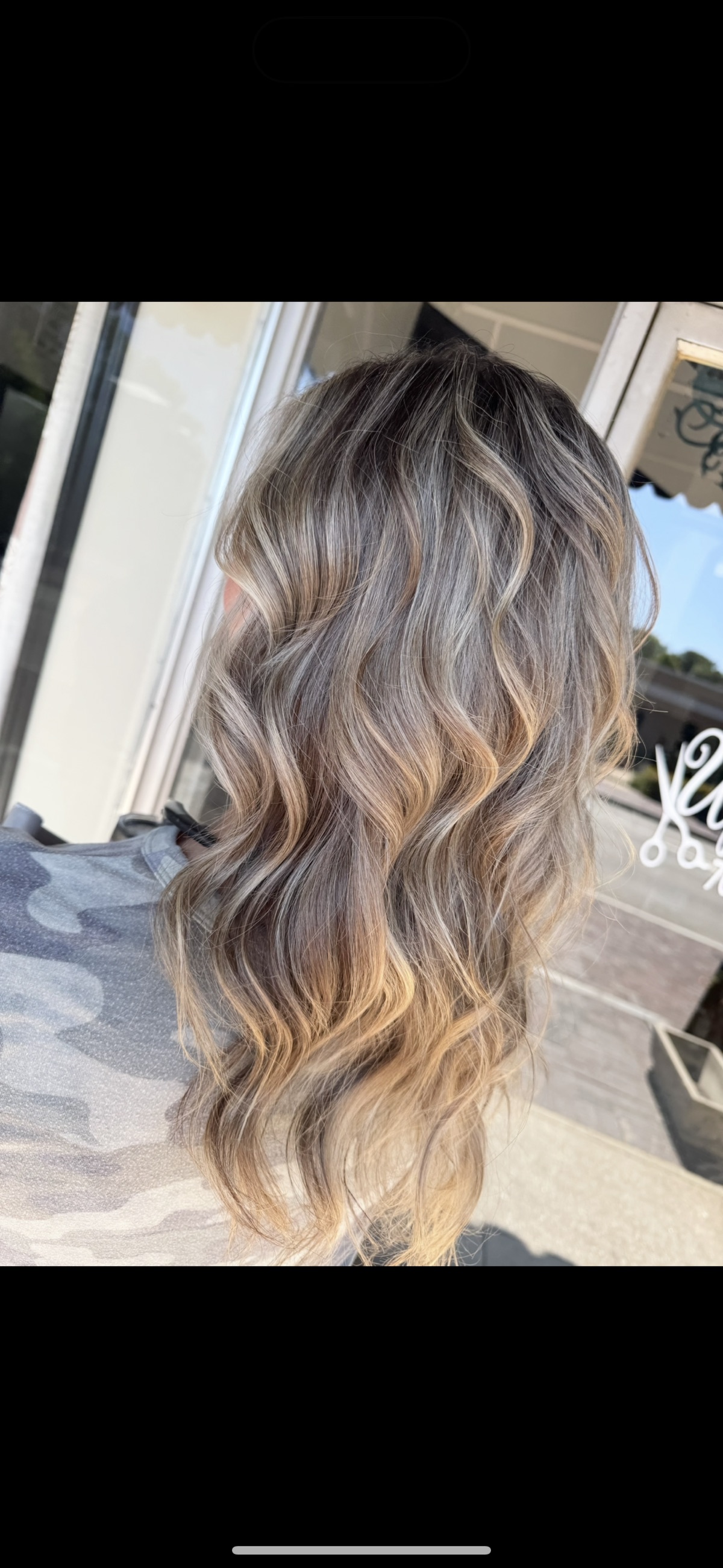
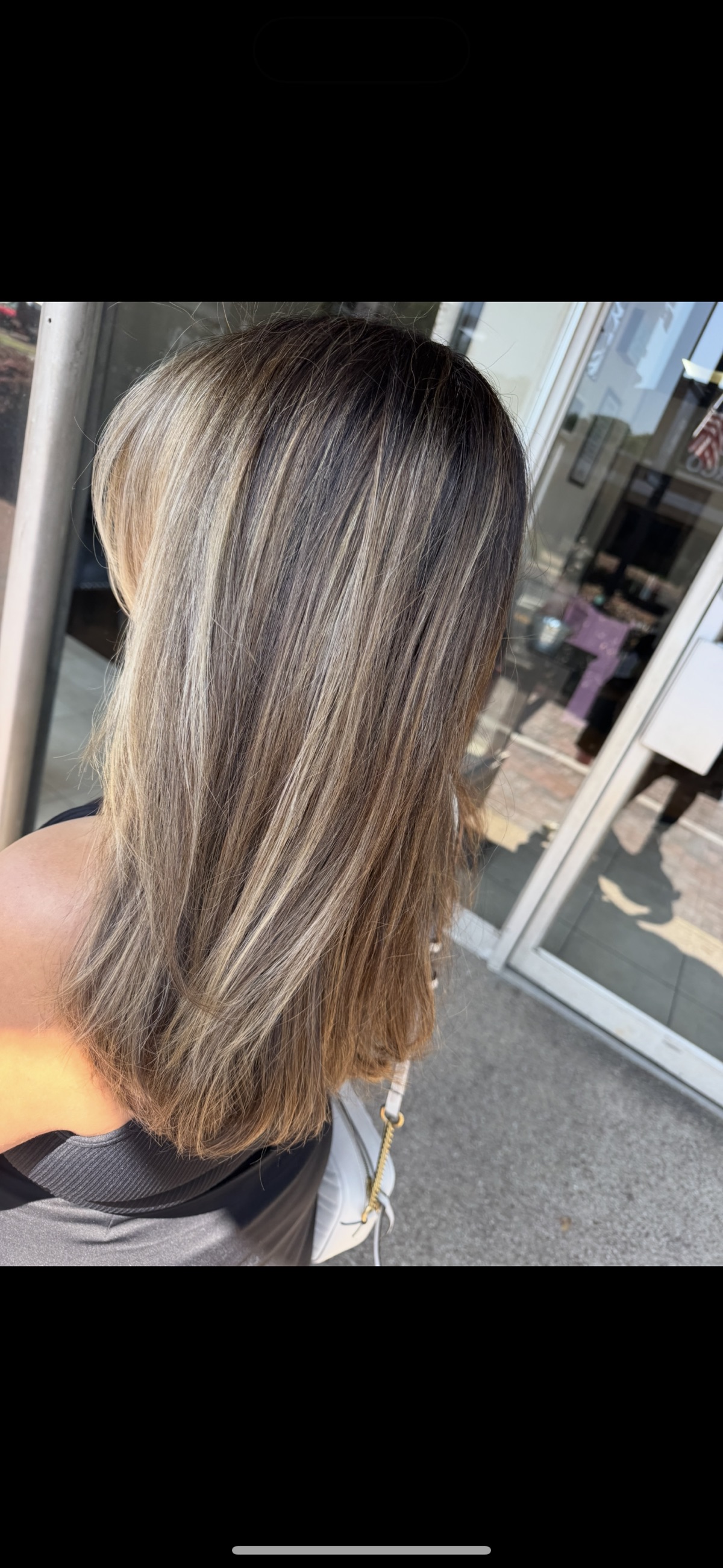
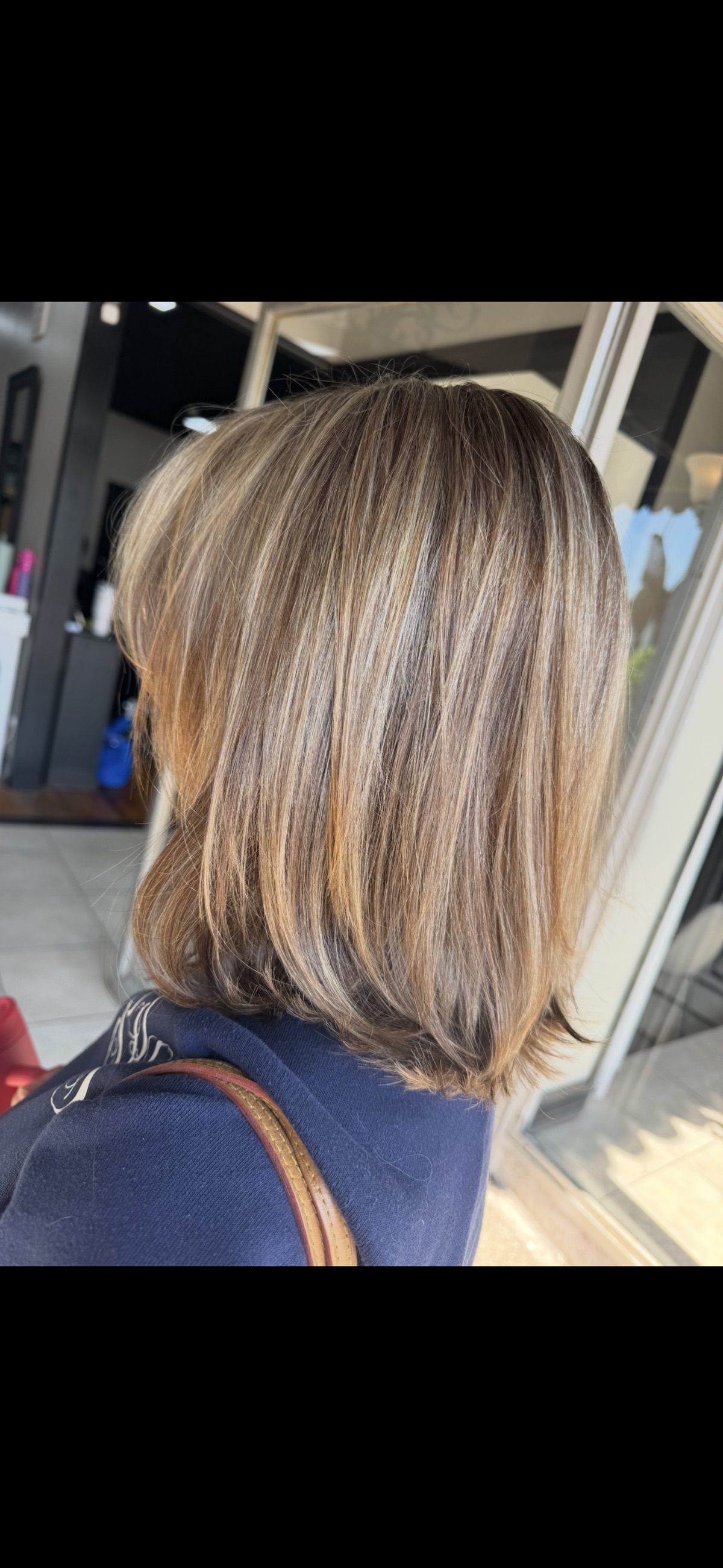
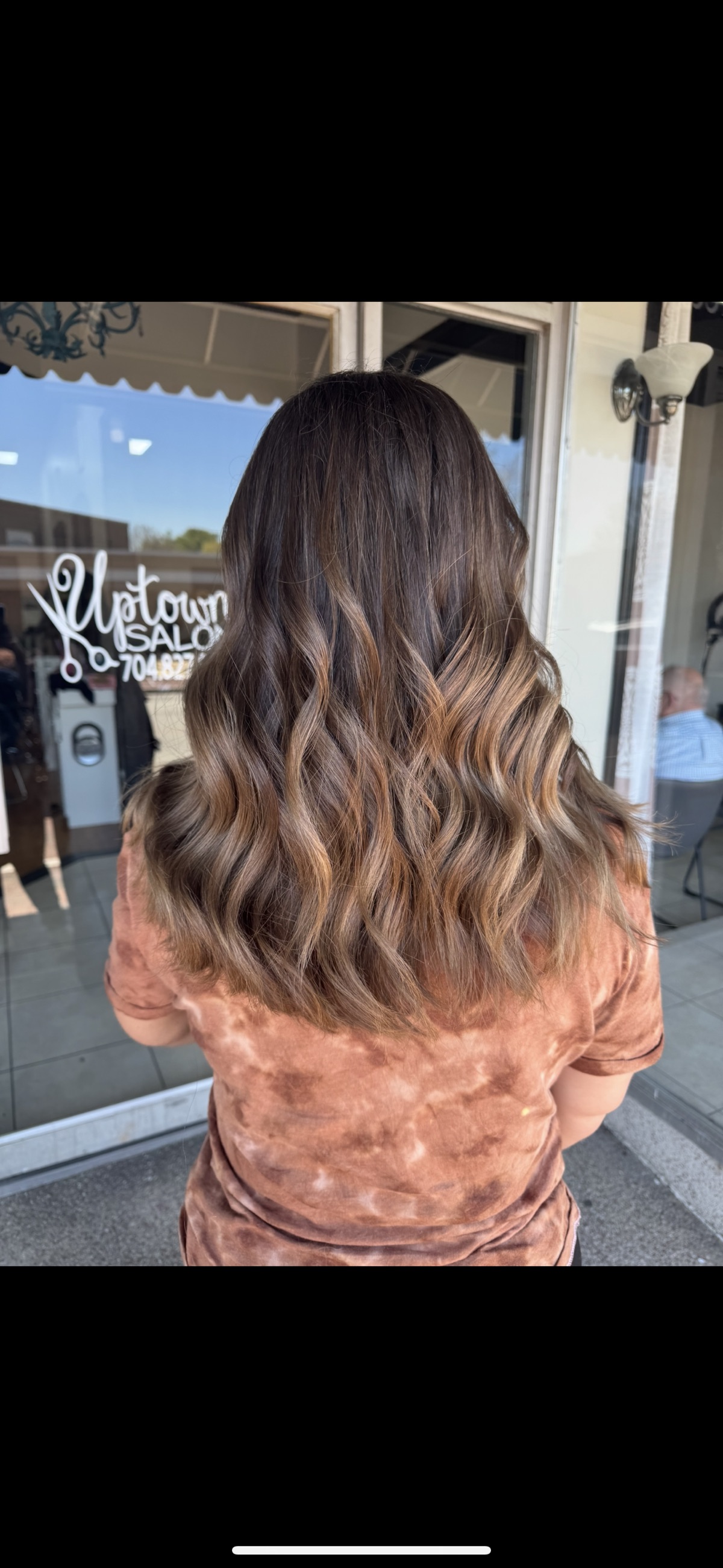
What are hair coloring techniques? Hair coloring techniques are the professional methods stylists use to apply, blend, and place color on the hair to achieve specific results. Hair coloring techniques include balayage (hand-painted highlights for a natural, sun-kissed look), ombré (a gradient from dark roots to light ends), highlights (foil-applied lightener for dimension), color melt (seamless blending between two or more shades), sombré (a subtle, soft ombré), and single-process color (all-over permanent or semi-permanent application). Each technique produces a different level of dimension, maintenance frequency, and grow-out pattern. Balayage and color melt are the lowest-maintenance options. Full foil highlights and single-process color typically require touch-ups every 4 to 8 weeks.
Here is something nobody tells you when you go independent: your technique is your marketing. Every head of hair that walks out of your chair is a walking billboard. When your work is undeniably good, clients do the selling for you. They show their friends. They tag you on Instagram. They rebook before they even leave.
But staying sharp takes intention. When you are behind the chair all day, it is easy to fall into autopilot. This guide covers the hair coloring techniques, education, and habits that keep your skills growing so your business keeps growing with them. According to a Professional Beauty Association survey, stylists who invest in continuing education at least twice per year report average ticket increases of 20 to 35% within 12 months. And when your craft is dialed in, getting fully booked becomes a lot easier.
The Most Popular Hair Coloring Techniques Explained
Color is where the money is for most independent stylists. Clients will pay a premium for beautiful, lived-in color that looks like it grew out of their head. The hair coloring techniques that command the highest prices right now are the ones that create dimension, depth, and low-maintenance results. Research shows that balayage remains the most-searched hair color service in the United States, holding a top-5 search position every year since 2015.
The following techniques are the foundation of any serious color practice. Master these six and you can handle nearly every client who sits in your chair:
- Balayage — freehand painting for natural, blended dimension with grow-out every 10 to 16 weeks
- Ombré and sombré — gradient color placement from dark roots to lighter ends, low-maintenance for most clients
- Foil highlights and babylights — precise lightening using foil sections, requires touch-ups every 4 to 8 weeks
- Color melt — seamless blending between two or more shades using blending techniques at every transition point
- Single-process color — all-over permanent or semi-permanent application, most efficient for grey coverage
- Toning and glossing — finishing step that refines tone and adds shine, typically lasts 4 to 6 weeks
Balayage and Lived-In Color
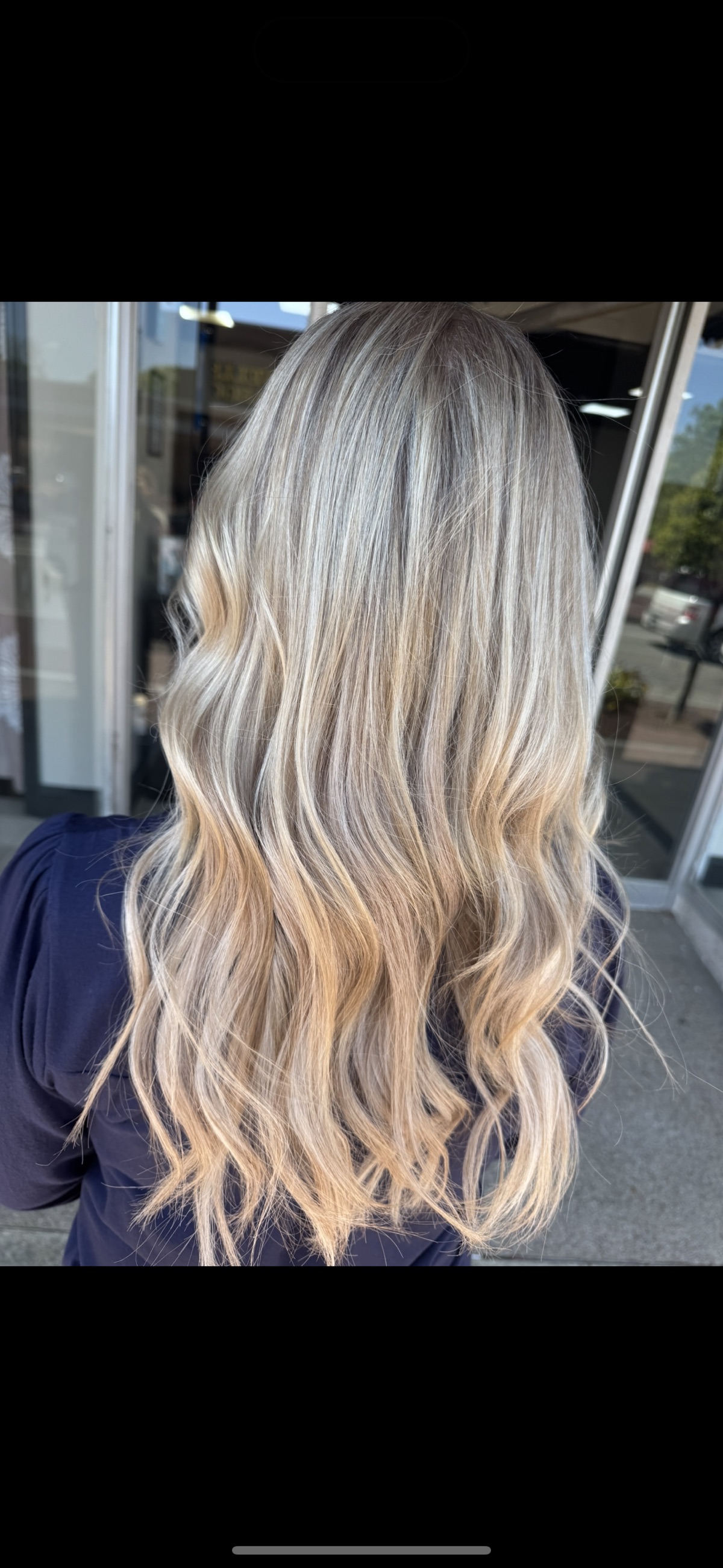
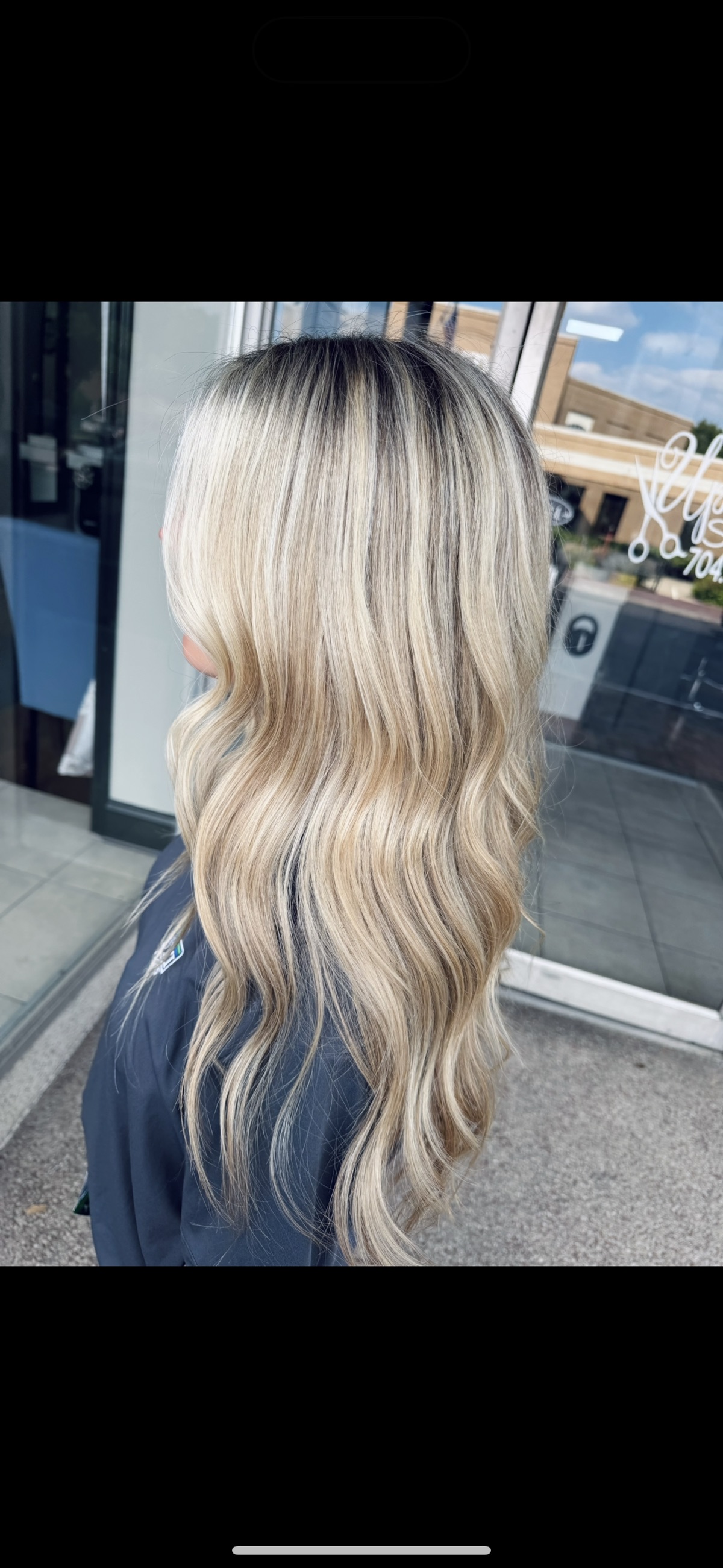
Balayage is still the most requested color technique and it is not going anywhere. Clients want softer, more blended results that look natural from day one and grow out beautifully over months. If you are still painting thick, chunky highlights, it is time to refine your hand. Practice your tension, your saturation, and your placement until you can create seamless dimension without thinking about it. Balayage appointments average $150 to $350 in most independent stylist markets, making it one of the highest-revenue single services you can offer.
Ombré and Sombré
Ombré is a color placement style — dark at the roots, transitioning to light at the ends — not a technique on its own. You can achieve an ombré result using balayage, foils, or a combination of both. Sombré is a softer, more subtle version of ombré where the transition happens gradually over 6 to 8 inches of hair rather than dramatically in just a few. Both results grow out beautifully and are ideal for clients who want to extend time between appointments to every 10 to 14 weeks.
Dimensional Blonding and Foil Highlights
Full foil work is not dead. What has evolved is how stylists use it. Dimensional blonding uses a mix of highlights and lowlights to create movement and depth rather than a flat, one-note blonde. The key is learning to read the hair in front of you and place color where it will create the most impact. Full foil appointments typically run 2.5 to 4 hours. Babylights — ultra-fine foil sections placed throughout the hair — can add 45 to 90 minutes to a service but significantly increase the perceived value.
Color Melt
Color melt is a blending technique where two or more hair colors are seamlessly blended together, eliminating harsh lines between shades. It involves transitioning from a darker root through a midtone into a lighter or brighter end color, using blending techniques at every meeting point. Color melt creates depth, dimension, and a naturally grown-out look. It works especially well paired with balayage or as a finishing step after foil work. Clients love it because refreshes are needed only every 12 to 16 weeks on average.
Single-Process Color
Single-process color is an all-over permanent or semi-permanent application that deposits one shade throughout the entire head. It is the most efficient technique in terms of time — most services run 45 to 75 minutes — and is ideal for full grey coverage or a dramatic all-over change. Single-process color requires touch-ups every 4 to 6 weeks for clients with significant grey or fast-growing roots, making it one of the most reliable sources of repeat revenue.
Formulation and Color Theory
This is the part most stylists skip and it shows. Understanding underlying pigment, the level system, and how developers work gives you the ability to formulate on the fly instead of guessing. Keep a formula journal. Document every mix, every processing time, every result. Over time, you build a personal reference library that makes you faster, more accurate, and more confident with every client. According to color educators at major manufacturer academies, stylists who track formulas reduce correction appointments by up to 60% over 2 years.
Get Weekly Tips From a Stylist Who Gets It
Join the Solo Stylist Insider. Real strategies from Brooke, straight to your inbox. No spam. No fluff.
Creative Hair Coloring Techniques That Clients Actually Book
Beyond the foundational techniques, there is a growing market for creative color work that commands premium pricing. Vivid color, color blocking, and reverse balayage — painting darker tones over a light base to create depth — are consistently booked out 4 to 8 weeks in advance for stylists who specialize in them. According to data from booking platforms like Vagaro and StyleSeat, vivid color services average $200 to $600 per appointment depending on complexity and market. If you want to build a niche, creative color is one of the fastest ways to differentiate.
The key to booking creative color consistently is documentation. Before-and-after photos, posted to Instagram and saved to a highlights reel, drive more inquiries than any paid ad. Clients booking vivid or editorial color want proof that you can deliver. Show them the work. Find business education built specifically for independent stylists to turn your color skills into a fully booked calendar.
Ready to Level Up Your Color Skills?
Join independent stylists who are mastering their craft and building fully booked color practices. We respond within 24 hours.
Hair Coloring Techniques for Grey Hair Coverage
Grey coverage is one of the most consistent revenue streams in the salon industry. The American Academy of Dermatology reports that approximately 50% of people over age 50 have significant grey, and demand for coverage services shows no sign of declining. For stylists who master grey blending and coverage, this represents a steady, repeat client base that books every 4 to 8 weeks without fail.
Permanent single-process color is the gold standard for full grey coverage because it fully penetrates and deposits pigment into resistant grey strands. Semi-permanent color can blend grey up to about 50% coverage but fades faster. For clients who want to embrace their grey rather than cover it, techniques like babylights or a reverse balayage can soften the transition line between grey and pigmented sections over 2 to 3 sessions, making the grow-out appear intentional rather than neglected.
Toning and glossing services are an excellent add-on for grey blending clients, bringing greys into the tone family of the rest of the hair without full commitment. These services run 30 to 45 minutes and typically retail at $45 to $95, making them high-margin additions to any color appointment.
Professional Hair Coloring Techniques: What Separates Good from Great
The technical difference between a competent colorist and a great one is rarely about which products they use. It is about precision in placement, depth of color theory knowledge, and the ability to read what the hair in front of them actually needs — not just what the client described.
Great colorists manage the consultation as carefully as they manage the formula. Research shows that most client dissatisfaction with color services stems from mismatched expectations set during the consultation, not from technical errors during application. Setting clear expectations about timing, maintenance costs, and realistic outcomes is a professional skill that takes deliberate practice. Learn how to run a consultation that sets realistic color expectations before you take on your next complex color service.
Pricing is the other separator. Many skilled colorists undercharge by 20 to 40% compared to market rate simply because they have not audited their prices since they went independent. Understanding how to price your color services as an independent stylist is as important as the technique itself.
Why Holland Hair Co Is Different
- ✓Licensed & Insured — Every educator and resource meets professional industry standards.
- ✓Built for Independent Stylists — Not a franchise or chain. Everything here is designed for booth renters and suite owners.
- ✓Proven Results — Members report booking increases within their first 90 days of applying the system.
- ✓Respond Within 24 Hours — Every inquiry gets a real, timely response. We value your time as much as you do.
"I raised my balayage prices by $75 within 60 days of joining Solo Stylist Society. My clients didn't blink. The education here actually translates into real money."
"I went from 3 open slots per week to fully booked with a waitlist in 4 months. The color consultation framework alone was worth the investment."
Hair Coloring Techniques Step by Step: What to Know Before You Start
Before any color service, a structured pre-service process protects both you and the client. Start with a thorough consultation — ask about previous chemical services, current condition, desired result, and maintenance budget. Do a strand test when working with new clients, previously colored hair, or any technique involving high-lift color or bleach.
Section the hair cleanly before you begin. Loose sections lead to inconsistent saturation and uneven results. For balayage, work in 1-inch horizontal sections from nape to crown. For foil highlights, sections range from 1/4 inch to 1/2 inch depending on the density of the desired result. Color melt typically requires pre-lightening the mid-shaft and ends before toning, which means planning for two separate processing stages — usually 20 to 45 minutes each depending on the starting level and target lift.
Document every formula. Note the developer volume, processing time, starting level, and result. This is your professional record and your shortcut to consistent results on every repeat visit. Stylists who maintain detailed formula records retain clients at a higher rate — returning clients represent 60 to 80% of revenue for most independent stylists, according to industry booking data.
How to Choose the Right Technique for Every Client
Matching a technique to a client is a diagnostic skill. Start with three questions: How much time are they willing to spend in the chair? How often can they come back? What is their maintenance budget? The answers narrow the options quickly. A client who cannot commit to appointments every 6 weeks is not a full-foil highlight client — they are a balayage or color melt client. Recommending the right hair coloring techniques for their lifestyle builds trust, reduces no-shows, and increases long-term retention.
When a client comes in with unrealistic expectations — wanting to go from level 3 to platinum blonde in one session, for example — your job is to educate honestly, not just say yes. Multiple-session corrections require clear agreements about cost, timeline, and interim results. Always confirm this in writing before you begin. For repeat bookings and consistent revenue, understanding how to keep color clients coming back on schedule is one of the highest-value skills you can develop.
As your color skills grow, your pricing should grow with them. Most independent stylists should raise their rates at least once per year to keep pace with cost increases and reflect their growing expertise. Learn when and how to raise your prices as a hair colorist without losing your client base. And if you want to protect your revenue from last-minute cancellations, set up cancellation policy wording for color appointment deposits before your next color service is on the books.
If you are building from the ground up, the first 6 months behind the chair as an independent stylist are the hardest. Focus on documenting your work, asking every satisfied client for a referral, and consistently posting your best color results. Stylists who follow a structured client-building strategy fill their books 3 to 6 months faster than those who rely on word of mouth alone. Read more about how to build a full color clientele from scratch.
Frequently Asked Questions About Hair Coloring Techniques
Frequently Asked Questions
Which hair coloring technique is best?
The best hair coloring technique depends on your client's lifestyle, maintenance tolerance, and desired look. Balayage is the most popular choice for low-maintenance clients who want natural dimension. Full foil highlights work best for clients who want bright, even color from root to end. Single-process color is the most efficient option for full coverage or a dramatic all-over change. The right technique is always the one that matches what the client will actually maintain.
What is the difference between balayage and ombré?
Balayage is a freehand painting technique where color is applied directly to the surface of the hair to create natural-looking, blended highlights throughout the length. Ombré is a specific color placement style — dark at the roots, transitioning to light at the ends. Balayage is a technique; ombré is a result. You can use balayage to achieve an ombré effect, but not all balayage produces a true ombré gradient.
What are the best hair coloring techniques for grey hair?
For grey hair coverage, permanent single-process color is the most reliable technique because it fully penetrates and deposits pigment into resistant grey strands. Toning and glossing can blend greys without full commitment. For clients who want to embrace their grey, techniques like babylights or a reverse balayage can soften the transition and reduce harsh lines between grey and pigmented sections. The right approach depends on how much grey is present and how much maintenance the client wants.
Can I do professional hair coloring techniques at home?
Some techniques like single-process all-over color can be done at home with good results if you follow instructions carefully. However, techniques like balayage, foil highlights, and color melt require professional skill, timing, and product knowledge to execute safely and evenly. Attempting complex techniques at home — especially on previously colored hair — risks uneven results, damage, and color that is very difficult to correct. For anything beyond a basic root touch-up, booking with a professional stylist is worth it.
What hair dye is safe to use during chemotherapy?
During chemotherapy, many oncologists recommend avoiding all chemical hair dyes because the scalp may be more sensitive and the skin barrier is often compromised. If a client undergoing chemo wants color, consult with their medical team first. Some doctors clear the use of semi-permanent or ammonia-free dyes after certain treatment phases. The American Academy of Dermatology recommends waiting until hair has fully regrown and treatment is complete before returning to regular coloring services. Always defer to the client's oncologist.
How often do hair coloring techniques need to be maintained?
Maintenance frequency depends on the technique. Single-process color and full foil highlights typically need touch-ups every 4 to 8 weeks. Balayage, sombré, and color melt are designed for grow-out and often only need refreshing every 10 to 16 weeks. Toners and glosses fade faster and may need refreshing every 4 to 6 weeks. Setting clear expectations about maintenance during the consultation prevents client disappointment and keeps them coming back on a predictable schedule.
What is a color melt technique?
Color melt is a blending technique where two or more hair colors are seamlessly blended together, eliminating harsh lines between shades. It typically involves transitioning from a darker root through a midtone into a lighter or brighter end color, using blending techniques at every meeting point. Color melt creates depth, dimension, and a naturally grown-out look that clients love for its low-maintenance grow-out. It works especially well paired with balayage or as a finishing step after foil work.
Licensed & Insured · We Respond Within 24 Hours
Ready to Master Your Color Practice?
Join independent stylists across the country who are building fully booked color practices — one technique at a time. The system works when you do.
Looking for the complete system? Learn about Solo Stylist Society.
Stay Sharp. Stay Booked.
Join the Solo Stylist Insider newsletter. Weekly tips on technique, business, and building a career behind the chair that actually feels like yours.