For Booth Renters and Suite Owners
How to Get Fully Booked as an Independent Hairstylist
Stop hoping your calendar fills itself. Here is how to build a book full of dream clients who show up on time, pay your full price, rebook before they leave, and send their friends.
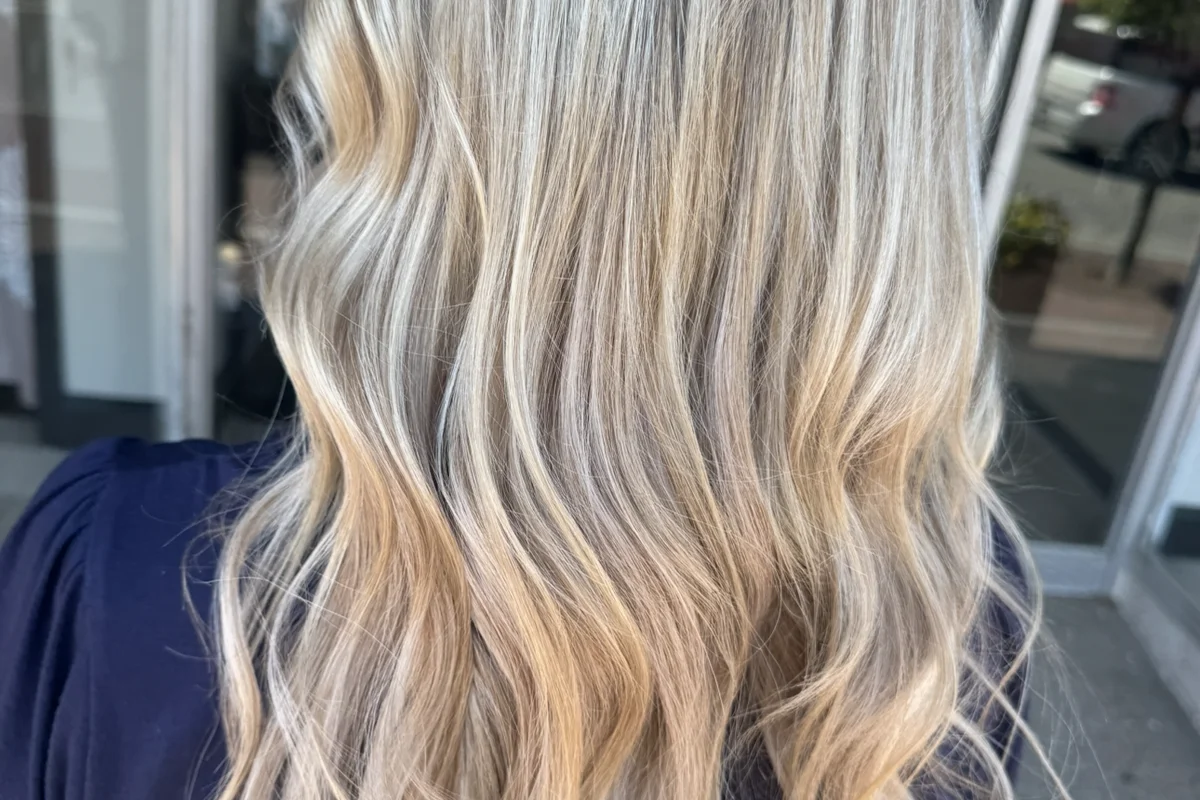
How do you get fully booked as an independent hairstylist? To get fully booked as an independent hairstylist: 1. Build a personal brand around your specialty. 2. Use social media to showcase your best work. 3. Ask happy clients for referrals and Google reviews. 4. Deliver an outstanding client experience at every appointment. 5. Rebook every client before they leave the chair. 6. Set clear policies to protect your time and reduce no-shows. 7. Network with local businesses and attend community events. Independent stylists who follow a consistent system typically start seeing steady growth within 60 to 90 days and reach a fully booked calendar within 6 to 12 months.
If you are a booth renter or suite owner, you know this cycle. You have a great week, then look at next week and it is half empty. You start posting on Instagram. You think about running a deal. You wonder what you are doing wrong.
The truth is, getting fully booked is not about finding more new clients. It is about keeping the ones you already have coming back consistently, and turning every happy client into a referral source. When you combine a rebooking system with smart policies and a personal brand that attracts the right people, a full calendar stops being a dream and starts being your default.
This guide covers every piece of it. From building your brand to filling your chair to protecting the time you have worked so hard to book.
Build Your Personal Brand
Before you can attract the right clients, you need to be clear on who you are as a stylist. Your personal brand is the foundation of everything else. When people can quickly understand what you do and who you serve, they are far more likely to book with you over someone who looks like every other stylist in town.
Define Your Niche and Get Known for Something
Trying to be everything to everyone is one of the biggest mistakes stylists make. Pick a specialty you love and get known for it. Whether that is lived-in color, curly cuts, extensions, or bridal work, a clear niche makes you easier to find and easier to refer. Clients want to book a specialist, not a generalist. When someone tells a friend "You have to go to her, she is the best at balayage," that is your brand doing the heavy lifting.
Create a Consistent Visual Identity
Your Instagram grid, your booking page, and your station should all feel like the same person. Use consistent colors, fonts, and a tone that matches who you are. When someone lands on your profile, they should immediately understand your style and your vibe. Consistency builds trust before a client ever sits in your chair. If you want to master your craft as a colorist or cutter, let that expertise shine through everything people see online.
Use Social Media to Attract Clients
Social media is one of the best free tools you have for getting booked. But it only works when you use it with a strategy. Posting randomly and hoping someone books will not fill your chair. Posting the right content consistently will.
Post Before and After Photos Regularly
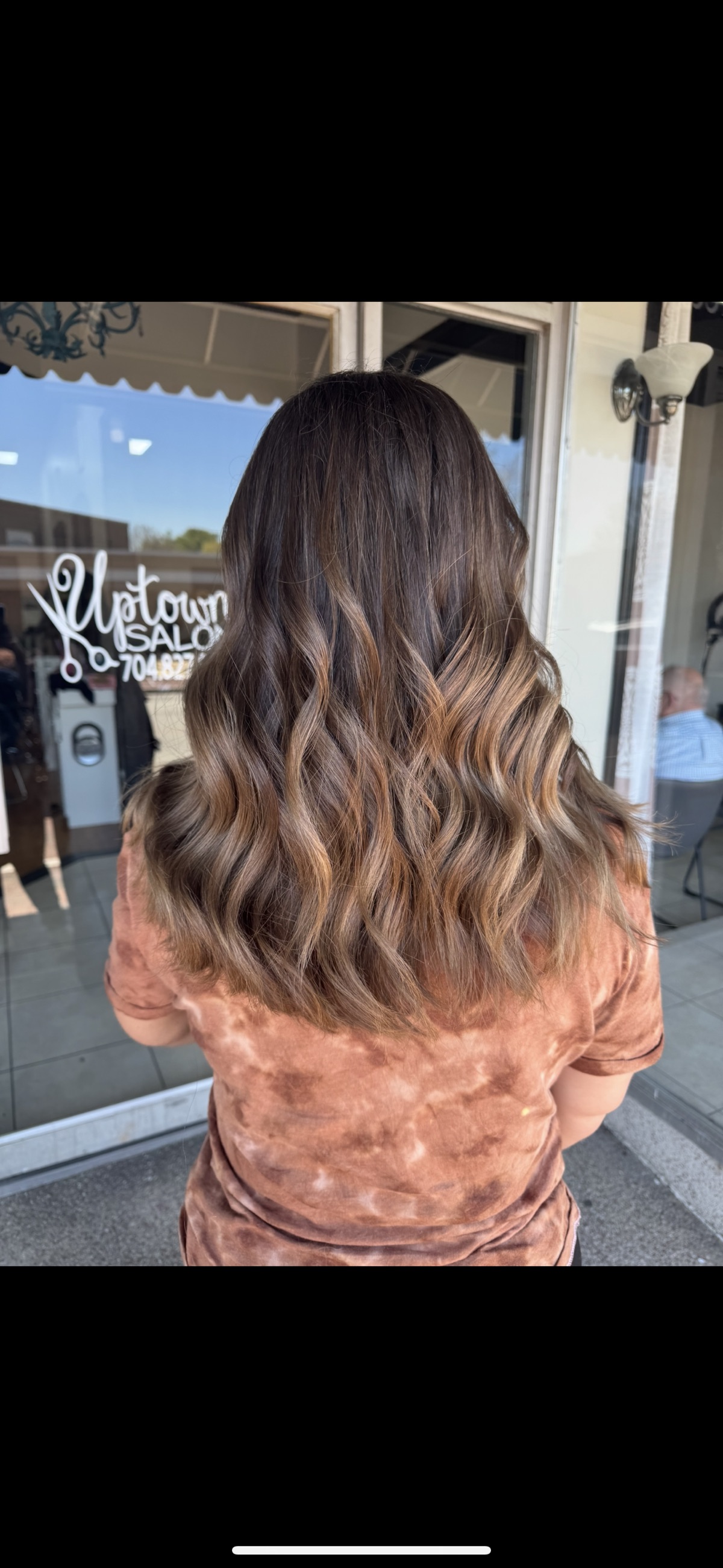
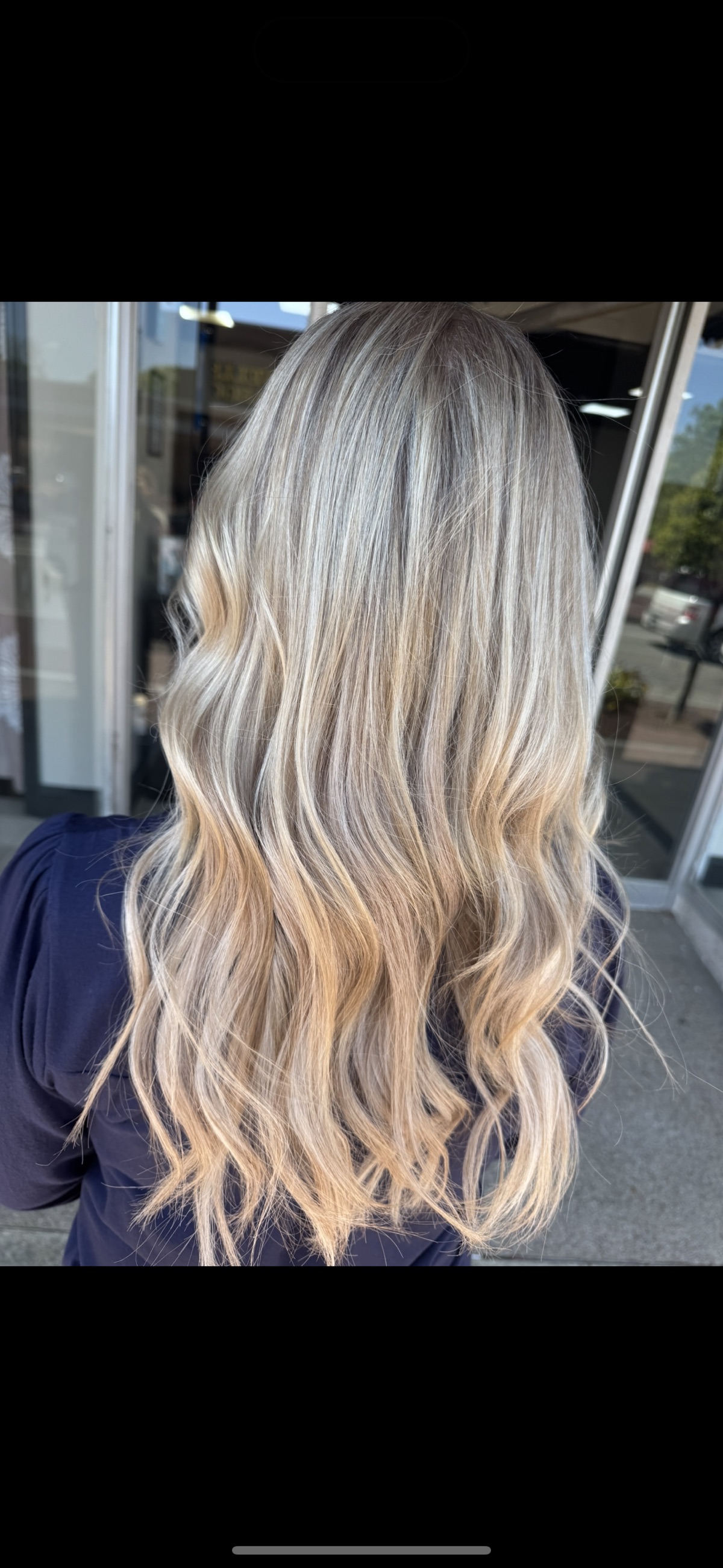
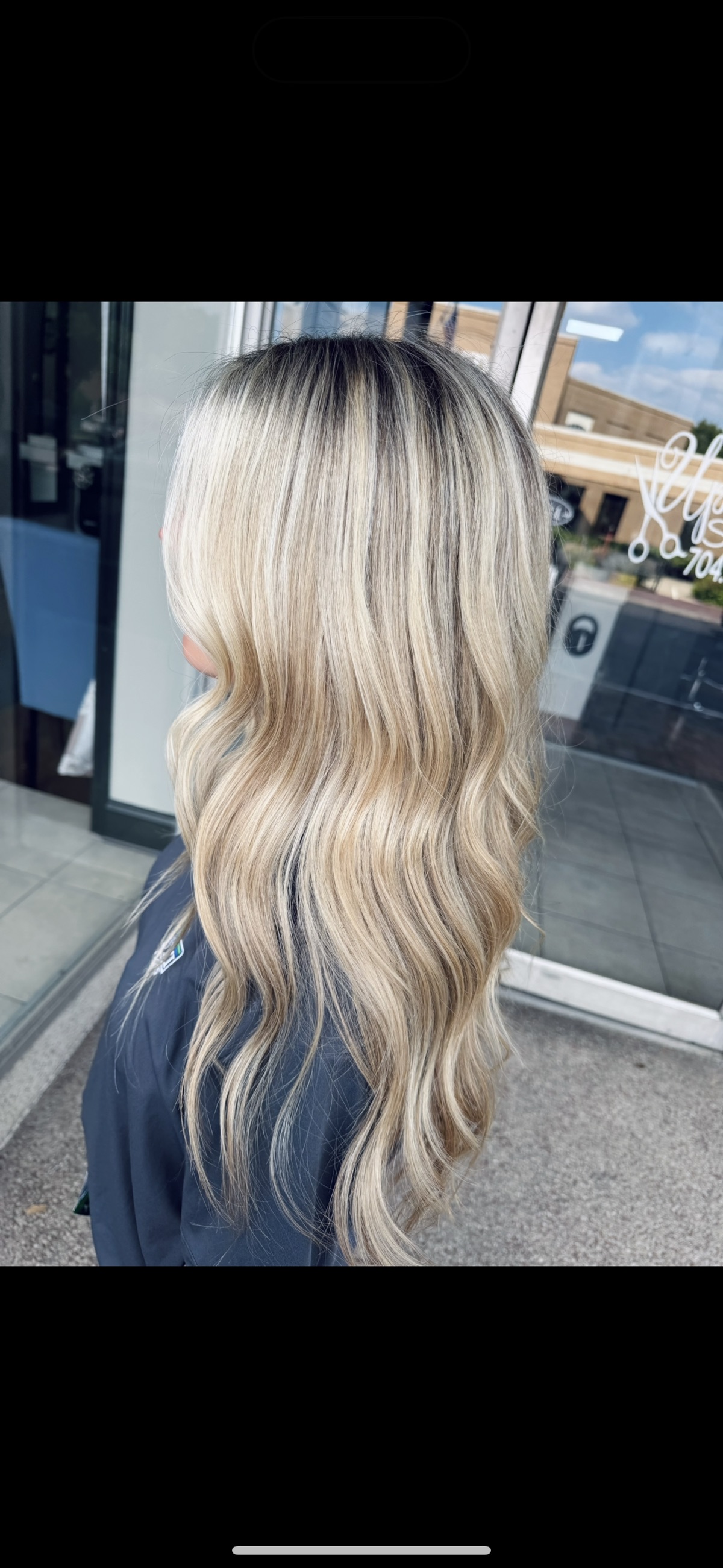
Before and after photos are the single most powerful type of content for hairstylists. They show your skill, build trust, and give potential clients a clear picture of what you can do. Aim to post at least two or three per week. Make sure the lighting is good and the after photo shows the style at its best. These posts are what make someone stop scrolling and think "I want to book with her."
Use Short-Form Video to Reach Local Clients
Instagram Reels and TikTok are how stylists are getting discovered right now. Short videos of your process, client transformations, and day-in-the-life content can reach thousands of local people who are actively looking for a stylist. You do not need to go viral. You just need to show up consistently so people in your area see your work.
Engage with Your Local Community Online
Follow and interact with local businesses, neighborhood groups, and community pages. Comment genuinely, answer questions, and show up as a real person in your area. Local engagement builds awareness faster than trying to go viral with a national audience. Your next client is probably already following the same local accounts you are.
Get the 8K Client Method
Pre booking scripts that lock in your calendar so you stop worrying about next month.
Ask for Referrals and Reviews
Word of mouth is still the most powerful way to fill your books. When happy clients tell their friends about you, those new clients already trust you before they even walk in the door. The key is making it easy and natural for your clients to refer you.
Build a Simple Referral Program
A referral program does not have to be complicated. Offer your existing clients a discount or a small gift when they send someone new your way. Print simple referral cards they can hand to friends. When a referred client books, follow through with the reward right away. This shows you value the relationship and keeps referrals coming. The best part is these clients already trust you because someone they know vouched for you.
Make Google Reviews Part of Your Process
Google reviews are one of the top ways new clients find and choose a hairstylist. After a great appointment, simply ask your client to leave a review. You can send a follow-up text with a direct link to make it easy. Do not overthink it. Most clients are happy to do it when you ask. A steady flow of five-star reviews makes you the obvious choice when someone in your area searches for a stylist.
Deliver Outstanding Client Service
The clients who rebook every time, refer their friends, and leave glowing reviews all have one thing in common. They felt genuinely cared for. Outstanding service is the most underrated marketing strategy because it costs nothing and pays off forever.
Make Every Appointment Memorable
Small details make a big difference. Remember your clients' names and details from their last visit. Offer a warm beverage, give a great scalp massage during the shampoo, and always take time for a thorough consultation. These moments turn a one-time client into a loyal regular who would never go anywhere else.
Follow Up After Every Visit
A quick follow-up text a day or two after an appointment shows you care about the results. Ask how they are loving their new look and if they have any questions about styling at home. This small gesture builds a real relationship and keeps your name top of mind when it is time to rebook. It also opens the door for them to share their experience with friends.
Rebook Every Client Before They Leave
This is the single most important habit for getting fully booked. If you are not rebooking clients before they leave the chair, you are leaving your income up to chance. Stylists who rebook consistently have predictable income. Stylists who do not are always chasing the next booking.
Make Rebooking Part of Your Checkout Flow
Do not ask "Do you want to rebook?" as if it is optional. Instead, recommend the next appointment based on their hair goals. "Based on your color, we should get you back in about eight weeks. I have a Tuesday and a Thursday open. Which works better?" This frames rebooking as part of the service, not a sales pitch. Most clients will book on the spot when you present it this way.
Use Automated Reminders to Reduce Gaps
A good booking system sends automatic reminders 48 hours and 24 hours before each appointment. This dramatically reduces no-shows and last-minute cancellations. When clients get reminded, they show up. When they show up, your calendar stays full. It is one of the simplest systems you can put in place, and it pays for itself immediately.
Protect Your Time with Smart Policies
Getting fully booked means nothing if half your appointments cancel or no-show. Smart policies are not about being rigid or unfriendly. They are about respecting your own time so you can show up fully for the clients who do respect it. This is part of living the dream as an independent stylist, where you set the terms of your own business.
Set Clear Cancellation and No-Show Policies
Decide what your policy is and communicate it clearly when clients book. Most stylists require 24 to 48 hours notice for cancellations and charge a fee for no-shows. Post your policy on your booking page, mention it in your confirmation messages, and enforce it consistently. Clients who value your time will have no problem with a fair policy. The ones who push back were never going to be reliable clients anyway.
Require Deposits for New Clients
A deposit requirement for first-time clients is one of the best ways to protect your time. It filters out people who are not serious about showing up. It also signals that you are a professional who takes her business seriously. Most booking platforms make it easy to require a card on file or a small deposit at the time of booking.
Network in Your Community
Some of the best opportunities to grow your client base come from stepping away from your phone and meeting people in person. Local networking builds relationships that social media simply cannot replicate.
Partner with Local Businesses
Think about which businesses serve the same clients you want to attract. Fitness studios, nail salons, wedding photographers, and boutique clothing stores are great starting points. Reach out and propose a simple cross-referral arrangement. Leave your business cards at their location and offer to do the same for them. These partnerships can send a steady stream of new clients your way without any ad spend.
Show Up at Community Events
Bridal expos, community fairs, and local markets put you in front of people who are actively planning services. Bring a professional display of your work, offer a small giveaway, and collect contact information from interested attendees. These events are also a great way to meet other professionals who may refer overflow clients to you. The relationships you build in person often turn into the most loyal client connections you will ever have.
Getting fully booked is not about one big marketing push. It is about stacking small, consistent habits that compound over time. Rebook every client. Ask for referrals. Show up online. Protect your time. Deliver an experience worth talking about. When you combine great technique with smart business systems, a full book of dream clients is not just possible. It is inevitable. If you are still finding your footing or dealing with self doubt, remember that building the independent career you want starts with believing you deserve a full book and then building the systems to make it happen.
Articles About Getting Fully Booked
Salon No Show Policy: Protect Your Time and Income
Salon no show policy templates, scripts, and real talk for independent stylists. Stop losing income to ghost appointments. Get the exact system here.
Unique Hair Salon Promotion Ideas That Actually Fill Your Chair
Unique hair salon promotion ideas for independent stylists who want real clients, not just likes. Skip the gimmicks - here's what actually works.
How to Get New Clients in a Salon (That Actually Stick)
How to get new clients in a salon: 10 proven strategies for independent stylists to fill their chair, build loyalty, and stop starting over every month.
Hairstylist Referral Program Ideas That Actually Fill Your Chair
Hairstylist referral program ideas that bring in dream clients — not just anyone. Real systems for booth renters who want consistent, quality referrals.
How to Get Clients to Rebook Before They Leave
How to get clients to rebook before they leave: use assumptive language, the right timing, and a simple system that fills your calendar without chasing anyone.
How to Get Clients Without Social Media Hairstylist Guide
How to get clients without social media hairstylist tips: referrals, local SEO, and partnerships that fill your chair fast. Proven offline methods that work.
Cancellation Policy for Hairstylists: The Complete Guide
Cancellation policy for hairstylists: what to charge, how to word it, and how to enforce it without losing good clients. Free examples inside.
Rebooking System for Hairstylists: Fill Your Chair Every Week
Rebooking system for hairstylists that fills your chair without chasing clients. Learn the exact process solo stylists use to rebook 80%+ every single appointment.
Empty Chair Syndrome: Why Booth Renters Stay Stuck in Slow Weeks
Empty chair syndrome keeps booth renters trapped in slow, unpredictable weeks. Here is what actually causes it and how to fix it for good — starting today.
Frequently Asked Questions
How do I get fully booked as an independent hairstylist?
Start with the clients already in your chair. Rebook every single person before they leave, ask your best clients for referrals, and make sure people can find you online with a Google Business profile. Most fully booked stylists fill their calendars through rebooking and word of mouth, not social media.
How long does it take to get fully booked as a hairstylist?
Most solo stylists who follow a consistent system start seeing steady growth within 60 to 90 days. Building a full book of loyal clients typically takes 6 to 12 months. The key is having a rebooking system so you are not starting from zero every week.
What is the best way to rebook clients every appointment?
Make rebooking part of your checkout process, not an afterthought. Before your client gets out of the chair, recommend when they should come back based on their hair goals, and book it right then. Clients who rebook before leaving return at a much higher rate than those who say they will call later.
How do I stop no-shows and last-minute cancellations?
Implement a clear cancellation policy and communicate it upfront. Require a card on file or deposit for new clients. Send appointment reminders 48 hours and 24 hours before the visit. Most no-shows happen because there are no consequences and no reminders, not because the client does not value your time.
How do hairstylists get referrals without being pushy?
The best referral strategy is delivering such a great experience that clients want to tell their friends. After that, make it easy. Hand them a referral card, send a follow-up text with a link to share, or simply say "If you know anyone looking for a stylist, I would love to take care of them." Most clients are happy to refer when you just ask.
Looking for the complete system? Learn about Solo Stylist Society.
Ready to Fill Your Books with Dream Clients?
Get the Dream Client Cloner. The exact referral system Brooke uses to fill her books with clients she actually wants to see. No ads. No posting all day. Just a system that works.